The Meaningful Broadband Forum is now rescheduled on November 26, 2009 from 8:30 am to 12 noon at the Sasin Business School, Chulalongkorn University. The public is cordiallyinvited. More details will be posted later.
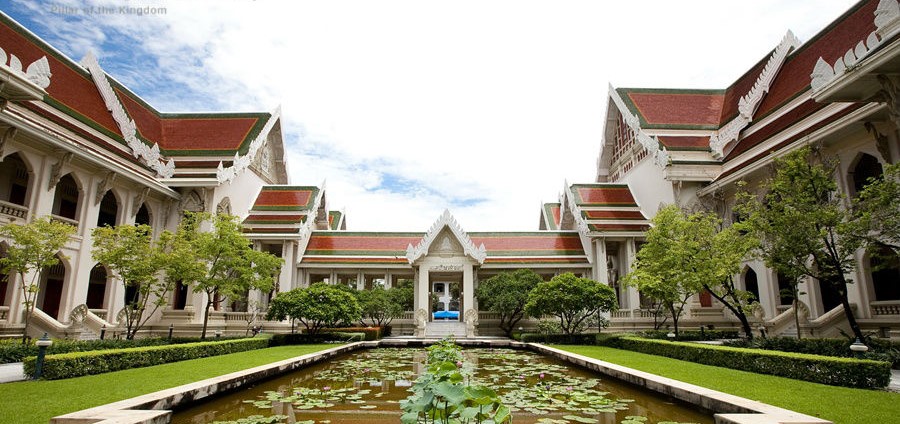
Chulalongkorn University
The Meaningful Broadband Forum is now rescheduled on November 26, 2009 from 8:30 am to 12 noon at the Sasin Business School, Chulalongkorn University. The public is cordiallyinvited. More details will be posted later.
Dear all,
This is an urgent announcement. The Meaningful Broadband Forum that has been originally scheduled on October 28 (tomorrow) will be postponed. The new date and time will be announced as soon as these are available. I am very sorry for the inconveniences.
Best wishes,
Soraj
diffusion 2.0: computing, mobility, and the next generations
The biennial CATaC conference series provides a premier international forum for current research on how diverse cultural attitudes shape the implementation and use of information and communication technologies (ICTs). The conference series brings together scholars from around the globe who provide diverse perspectives, both in terms of the specific culture(s) they highlight in their presentations and discussions, and in terms of the discipline(s) through which they approach the conference theme.
CATaC’10 will take place at The University of British Columbia, Vancouver, Canada.
Original full papers (especially those which connect theoretical frameworks with specific examples of cultural values and practices) and short papers (e.g. describing current research projects and preliminary results) are invited.Topics of particular interest include but are not limited to:
Both short (3-5 pages) and long (10-15 pages) original papers are sought. See submissions for information about submitting papers and formatting guidelines.
You may purchase the conference proceedings from previous conferences from www.catacconference.org.
By Wisit Stephens, special to Bangkok Post
Fed up with delay surrounding Thailand’s 3G and Wimax deployments, the secretariat of a powerful Chulalongkorn-based think tank will release a report October 28, presenting a model to vastly accelerate the nation’s broadband deployment.
Headlining the event, to be held at Sasin Graduate School of Business, 1-4 pm that afternoon, will be True Corp. CEO Supachai Chearavanont, in his role as Rotating Chairman of Chulalongkorn’s Meaningful Broadband Working Group. The Forum will be October 28 at Sasin Graduate School of Business, 1-4 pm, sponsored by Cisco Systems.
“The report shows that broadband is a necessary condition for macroeconomic growth. But Thailand ranks close to the bottom of all Asian nations in broadband deployment,” said Supachai. “The situation is reversible. But unless the country’s leaders in government, academia, business act quickly, Thailand’s entire economy is at risk.”
The report, A Model to Close Digital Divide, formulates a business model that would more than triple fixed and wireless broadband penetration in Thailand from the current predicted level of 17% by 2015, to more than 50%, a target called for by the ICT Minister Ranongrak Suwanchawee.
“The Forum, for the Chulalongkorn community, with some space available to the general public, will be opened by Dr. Charas Suwanwela, Chairman of the University Council. Individuals interested in attending the forum can register after Oct 20 at www.meaningfulbroadband.org.
Supachai recently replaced NTC commissioners as temporary leader of Meaningful Broadband Working Group, which includes the top executives of AIS, DTAC, TOT Telecom and CAT Telecom, as well as the government’s NTC. After gaining public feedback, the report will be revised and formally presented for the consideration of the Working Group and to the Prime Minister within the next several weeks.
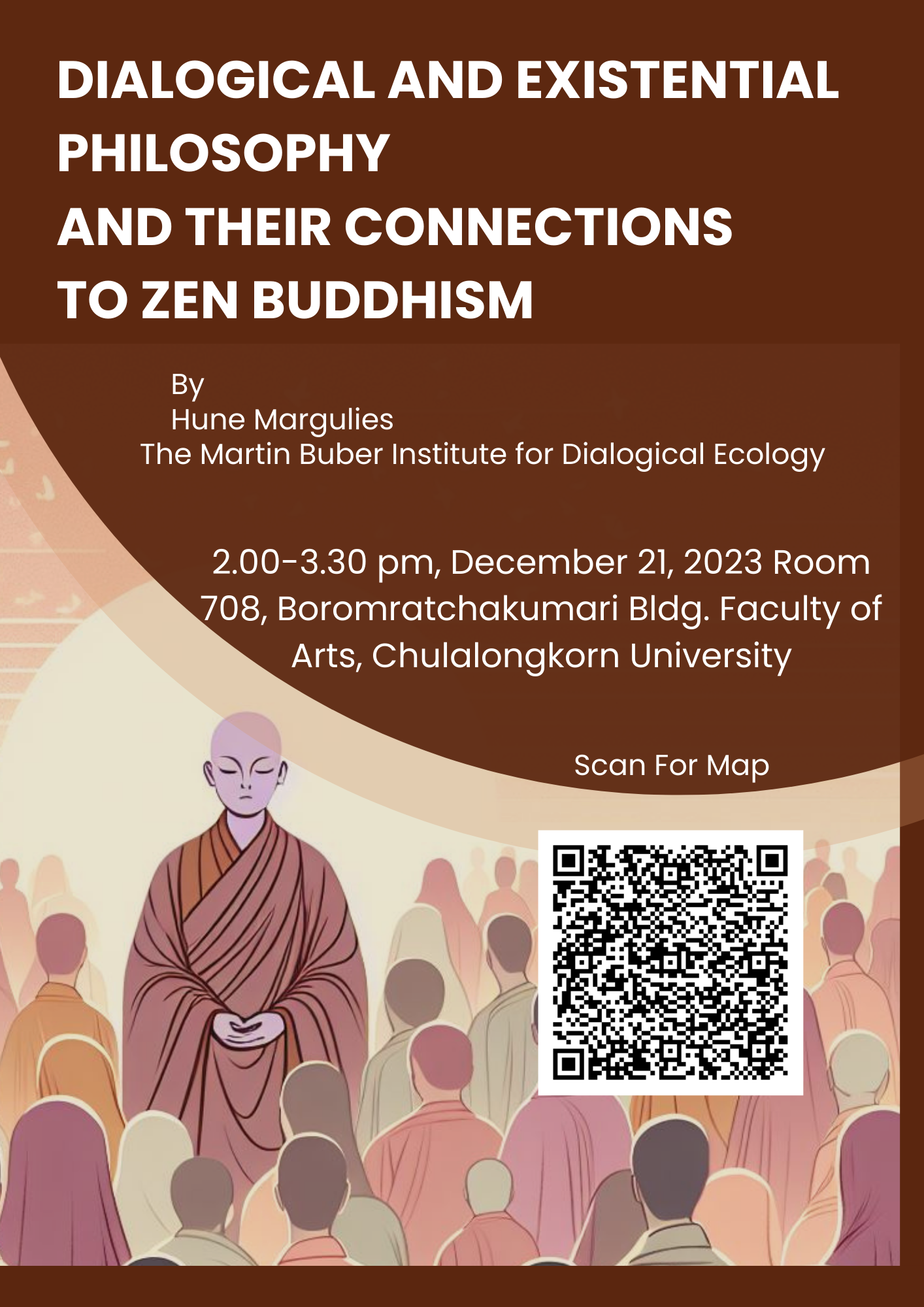
Public Lecture
CAN A BUDDHIST BE A SKEPTIC?
Prof. Georges Dreyfus
Williams College, Massachusetts, USA
Rather than look at recent advocacies of skepticism as a way to accommodate Buddhism to modernity, I answer my question by looking at the writings of Patsab Nyimadrak, a 12th century Tibetan thinker. I explore his reading of Nagarjuna’s philosophy and show how his skeptical stance provides a viable interpretation of this tradition. In the process, I also explore the varieties of skepticism, distinguishing modern epistemological skepticism and ancient Pyrrhonian skepticism and showing the relevance of the latter for understanding important aspects of Buddhist philosophy. I conclude by wondering about the ethical implications of such a skeptical stance within the modern context.
Room 708, Boromratchakumari Bldg., Faculty of Arts, Chulalongkorn University
Friday, November 6, 2009
1 – 3 pm
สมุดปกขาว ถึง สำนักงานคณะกรรมการกิจการโทรคมนาคมแห่งชาติ
โดย เครก วอร์เรน สมิทธ์ ปี 2552
ศูนย์จริยธรรมวิทยาศาสตร์และเทคโนโลยี จุฬาลงกรณ์มหาวิทยาลัย
บทคัดย่อ
รายงานฉบับนี้ เรื่องบรอดแบนด์ที่เป็นประโยชน์ต่อสาธารณชนประเทศไทย ทำขึ้นภายใต้การร้องขอของ สำนักงานคณะกรรมการกิจการโทรคมนาคมแห่งชาติ จะนำเสนอถึงขั้นตอนต่างๆในอันที่จะนำอินเตอร์เนตความเร็วสูงมาสู่ประเทศไทย อย่างรวดเร็ว ในระดับลึก และมีประโยชน์ต่อสาธารณชน รายงานฉบับนี้ยังสนับสนุน การทำงานของคณะทำงานโครงการบรอดแบนด์ที่เป็นประโยชน์ต่อสาธารณชนประเทศไทย (Meaningful Broadband Working Group – MBWG) ซึ่งเป็นความร่วมมือระหว่างกลุ่ม ผู้กำกับดูแล และ กลุ่มผู้ประกอบการโทรคมนาคม ซึ่งการประชุมอย่างเป็นทางการได้จัดไปเมื่อ วันที่ 2 กรกฎาคม 2552 ที่ผ่านมา ณ โรงแรมโอเรียนเต็ล กรุงเทพฯ
การนำพาไปสู่การสร้างมูลค่าเพิ่ม
รายงานฉบับนี้จะให้คำแนะนำว่าคณะทำงานโครงการบรอดแบนด์ที่เป็นประโยชน์ต่อสาธารณชน จะเติมเต็มช่องว่างที่เกิดจากการขาดนโยบายภาครัฐที่ชัดเจนเกี่ยวกับระบบ อินเตอร์เนตความเร็วสูงในประเทศไทยภายใต้การบริหารงานของรัฐบาลชุดปัจจุบัน นอกจากคำแนะนำในการที่จะทำให้เกิดการขับเคลื่อนโดยนายกรัฐมนตรี คณะรัฐมนตรีและ สำนักงานคณะกรรมการพัฒนาการเศรษฐกิจและสังคมแห่งชาติ ในประเด็นเรื่องอินเตอร์เนตความเร็วสูงแล้ว รายงานฉบับนี้ยังเสนอแนะให้สมาชิกของกลุ่มคณะทำงานนี้สามารถดำเนินการเกี่ยวกับประเด็นที่สำคัญที่สุดได้ทันที่ นั่นคือ : การพัฒนาตลาดอินเตอร์เนตความเร็วสูงให้กับผู้ด้อยโอกาสได้อย่างรวดเร็ว และจะกลายมาเป็นโครงการพัฒนาตลาดแห่งประวัติศาสตร์ ที่ผู้ประกอบการไทยทุกกลุ่มจะมีส่วนร่วม ที่จะนำพาให้ประเทศพ้นไปจากตลาดกลุ่มผู้ใช้เครื่องมือสื่อสารอย่างฟุ่มเฟือย (“yuppiephone”) ที่มีคนไทยเพียงร้อยละ 30 ที่มีรายได้สูงสุดเท่านั้นที่มีแนวโน้มที่จะใช้บริการอินเตอร์เนตความเร็วสูงผ่านโทรศัพท์มือถือ จากปัจจุบันจนถึงปี 2557
หากมองให้พ้นตลาดระดับบนขึ้นไป จะพบว่า โครงการบรอดแบนด์ที่เป็นประโยชน์ต่อสาธารณชนจะช่วยให้เราพิจารณาวิธีที่จะรองรับคนไทยผู้ใช้เครื่องมือสื่อสารจำนวน 28 ล้านคนในระดับรายได้ที่ต่ำถัดไป ที่ ณ ปัจจุบันแอพพลิเคชั่นเกี่ยวกับอินเตอร์เนตความเร็วสูงในโทรศัพท์ของพวกเขา ไม่สามารถใช้ได้ มีราคาสูงเกินไป รวมทั้งไม่สร้างความสามารถในการพัฒนาตนเอง ซึ่งสิ่งเหล่านี้จะเปลี่ยนไป รายงานฉบับนี้จะชี้ให้เห็นว่าสมาร์ทโฟนและเน็ทบุ้คจะสามารถส่งผ่านบริการที่ จะสร้างมูลค่าเพิ่ม (Wealth Effect) ที่การบริการทางการเงินผ่านมือถือรวมเข้ากับแอพพลิเคชั่นที่สำคัญของสมาร์ท โฟน (รวมทั้งบริการจากภาครัฐที่สำคัญอื่นๆ) จะช่วยลดค่าใช้จ่ายและเพิ่มรายได้ให้กับประชากรกลุ่มนี้
การสร้างมูลค่าเพิ่มนี้ไม่ใช่เรื่องเล็กๆ ไทยเป็นหนึ่งใน 16 ประเทศทั่วโลกที่ประชากรส่วนใหญ่อยู่ตรงกลางของปิรามิด (Middle of Pyramid หรือ MOP) ตามการจัดอันดับรายได้ตามแนวทางของเศรษฐกิจโลก ซึ่งมีอยู่ประมาณ 2 พันล้านคนทั่วโลกที่มีรายได้ระหว่าง 2 – 6 ดอลลาร์สหรัฐต่อวัน คนเหล่านี้มีรายได้ต่อหัวต่ำกว่าเกณฑ์มาตรฐานตามเกณฑ์ของบริษัทผู้ให้บริการ อย่างเอไอเอส ดีแทค ทรู หรือฮัทช์ แต่ความมั่งคั่งของคนกลุ่มนี้มีค่าเท่ากับ 48.5 % ของผลิตภัณฑ์มวลรวมภายในประเทศ นักเศรษฐศาสตร์ยังกล่าวด้วยว่าคนกลุ่มนี้คือฐานที่มาสำคัญของอุปสงค์ที่ยัง ไม่ได้ถูกปลดปล่อยออกมา และยังเป็นฐานที่สำคัญยิ่งของประชากรชนชั้นกลางของโลกในอนาคต การใช้โทรศัพท์เคลื่อนที่ของพวกเขาเพื่อกระโดดข้ามพ่อค้าคนกลาง จะทำให้ส่วนแบ่งจีดีพีของผู้มีรายได้อยู่ตรงกลางของปิระมิด มีสัดส่วนสูงขึ้น 1.3% ต่อปี เป็น 62% ในปี 2017
การเข้าสู่การร่วมมือในการสร้างตลาดนี้ บริษัทเหล่านั้นไม่เพียงแต่จะเป็นผู้สร้างตลาด แต่เหมือนเป็น ผู้สร้างชาติ อีก ด้วย พวกเขาเหล่านั้นจะกลายเป็นผู้กล้าสำหรับประเทศที่รัฐบาลของตนไม่สามารถหา แนวทางในการนำผลประโยชน์จากตลาดโลกมาสู่ประชากรส่วนใหญ่ของประเทศ
ยิ่ง ไปกว่านั้น การพัฒนาตลาดจะช่วยสร้างโอกาสให้กับผู้ประกอบการไทย ที่สามารถจะส่งออกโมเดลทางธุรกิจที่เน้นกลุ่มประชากรตรงกลางของปิระมิดไปยัง ตลาดเกิดใหม่อื่นๆที่มีสัดส่วนของประชากรใกล้เคียงกัน
การกระตุ้นเศรษฐกิจในรูปแบบใหม่
รายงานฉบับนี้ถูกสร้างขึ้นบนพื้นฐานทางภาษารูปแบบใหม่ของนักเศรษฐศาสตร์ยุคปัจจุบัน พวกเขาใช้ข้อมูลด้านสถิติในการทดสอบทฤษฎีทางเศรษฐศาสตร์เพื่อ ทำนายผลการกระตุ้นเศรษฐกิจของการลงทุนด้านอินเตอร์เนตความเร็วสูง การศึกษาได้เชื่อมอินเตอร์เนตความเร็วสูงเข้ากับหลายๆปัจจัย เช่นการเพิ่มขึ้นของจีดีพี ผลิตผลของประเทศ (รวมทั้งผลิตผลของภาคส่วนอื่นๆเช่นการศึกษาและสาธารณสุข ไปจนถึงการเจริญเติบโตของวิสาหกิจขนาดกลางและขนาดย่อม การกระจายรายได้ การสร้างงานทั่วประเทศ การลงทุนที่เกิดขึ้นตามมา และการโปรโมทประเทศไทยในฐานะศูนย์กลางการลงทุนของภูมิภาค เป็นที่เห็นอย่างเด่นชัดว่า นักวิจัยได้สรุปว่าอินเตอร์เนตความเร็วสูงนั้นได้สร้างผลกระทบเป็นทวีคูณ เปรียบเทียบกับการกระตุ้นเศรษฐกิจในรูปแบบอื่นๆ การศึกษานี้ยังนำไปสู่การปรับแผนงบประมาณในกว่า 12 ประเทศ ที่ซึ่งองค์กรความร่วมมือใหม่ๆทั้งของภาครัฐและเอกชนได้นำงบประมาณสนับสนุน จากภาครัฐเข้าสู่กระบวนการธุรกิจที่ต้องการการสนับสนุนมากที่สุด จากมุมมองของประเทศไทย ตัวอย่างที่เกี่ยวข้องมากที่สุดคือการวางโครงสร้างพื้นฐานเส้นใยแก้วนำแสงมูลค่ากว่าสามหมื่นหนึ่งพันล้านเหรียญออสเตรเลียซึ่งออกแบบมาเพื่อกระตุ้นการฟื้นตัวของภาคชนบทของประเทศนั้น
อย่างไร ก็ตาม สำหรับประเทศไทย การศึกษาเหล่านี้ไม่ได้บอกถึงหนทางที่จะก้าวต่อไปข้างหน้า ในการโต้เถียงกันในแง่ของตัวเลขที่วัดได้ของการเพิ่มขึ้นของอินเตอร์เนต ความเร็วสูงและประโยชน์ที่จะได้รับตามมานั้นมักจะมีการละเลยถึงด้านลบอื่นๆ ของอินเตอร์เนตความเร็วสูงเช่น ภาวะการว่างงานอันเกิดจากการใช้เครื่องจักรที่มากขึ้น ความเป็นไปได้ที่อินเตอร์เนตความเร็วสูงจะสร้างความไม่เท่าเทียมให้เพิ่ม ขึ้นในสังคม และการเพิ่มขึ้นของพฤติกรรมการเสพติดการใช้เช่นการเล่นเกมส์ออนไลน์ การดูสื่อลามก รวมทั้งการส่งเสริมให้มีการใช้เวลาว่างไปอย่างเปล่าประโยชน์ในหมู่เยาวชน
นอกจากนี้ การศึกษาส่วนใหญ่ยังมักคิดผิดในเรื่องนิยัตินิยมทางเทคโนโลยี (technological determinism)
โดย เชื่อว่ามนุษยชาติไม่สามารถกำหนดอนาคตของเทคโนโลยีของตนเองได้ หากแต่ทำได้เพียงพยายามที่จะคาดเดาว่านวัตกรรมใหม่ๆที่เกิดขึ้นส่งผลต่อเรา อย่างไรเท่านั้น
แทนที่จะพยายามจะคาดเดาอนาคต คณะทำงานโครงการบรอดแบนด์ที่เป็น ประโยชน์ต่อสาธารณชนได้เสนอแนวทางที่ต่างออกไป นั่นคือการสร้างอนาคตของอินเตอร์เนตความเร็วสูงที่คนไทยต้องการจริงๆขึ้นมา ผู้นำของชาติจำเป็นต้องตระหนักว่าอินเตอร์เนตความเร็วสูงเป็นได้ทั้งโอกาส และอันตราย ด้านที่ดีของมันจะต้องถูกดึงออกมาใช้อย่างเต็มที่และ ด้านลบของมันต้องถูกทำให้ลดลงผ่านการปฎิบัติของผู้นำที่ฉลาด จุฬาลงกรณ์มหาวิทยาลัยจะสามารถให้ความช่วยเหลืออย่างมากในการเป็นแหล่ง ข้อมูลเชิงวิเคราะห์ที่ปราศจากอคตินี้
จุดจบของอุดมการณ์เรื่องการเปิดเสรีทางโทรคมนาคม
การ ตอบรับการใช้อินเตอร์เน็ตความเร็วสูงในประเทศไทยนั้นเกิดในช่วงการ เปลี่ยนแปลงแนวคิดเรื่องโลกาภิวัฒน์ การเปิดเสรีนั้นไม่ได้ผลเลย ประเทศไทยได้รับประโยชน์จากการเปิดเสรีของตลาดผู้ให้บริการโทรคมนาคม การที่รัฐบาลไม่แทรกแซงการทำงานของคณะกรรมการกิจการโทรคมนาคมแห่งชาตินั้น เป็นสิ่งที่ถูกต้อง แต่การดำเนินงานของคณะกรรมการกิจการโทรคมนาคมแห่งชาติก็ไม่ควรถูกแยกออกจาก การปฏิรูปนโยบายสาธารณะ ภายใต้ข้อบังคับของรัฐธรรมนูญ องค์กร กระทรวงหรือผู้ควบคุมบริการโทรคมนาคมสามารถวางโครงร่างของตลาดอินเตอร์เน็ต ความเร็วสูงได้ ไม่ใช่แค่ปล่อยให้เกิดการแข่งขันอย่างอิสระเพียงอย่างเดียว ในกรอบการทำงานนี้ “บทลงโทษ” ของข้อบังคับจะต้องผสมผสานกับ “รางวัล” ซึ่งได้แก่เงินสนับสนุนจากรัฐบาลและการลดภาษี เพื่อให้ได้ผลลัพธ์คือการทำให้อินเตอร์เน็ตความเร็วสูงเป็นประโยชน์มากยิ่งขึ้น
เรา สามารถเห็นได้ชัดเจนว่าการเปิดเสรีด้านการให้บริการทางการเงินนั้นลดลงอย่าง มากระหว่างวิกฤติในปี 2551 สำหรับธุรกิจโทรคมนาคมแล้ว ปัจจัยที่ขัดขวางการเปิดเสรีนั้นไม่ใช่วิกฤต แต่เป็นโอกาส อินเตอร์เน็ตความเร็วสูงนั้นถือเป็นโอกาสที่ล้ำค่าที่ภาครัฐบาลเริ่มนำมาใช้ มันเป็นสิ่งที่สำคัญเกินกว่าที่กลุ่มองค์กรใดองค์กรหนึ่งเพียงองค์กรเดียวจะ เป็นผู้กำหนดโครงสร้างทั้งหมดได้ รัฐบาลจึงต้องเข้ามาแทรกแซงการทำงานของภาคโทรคมนาคมเช่นเดียวกันกับภาคการ เงิน ถ้าหากมีการควบคุมที่เหมาะสม อินเตอร์เน็ตความเร็วสูงสามารถผลักดันให้เกิดผลดีหลายประการต่อสังคมไทย และยังสามารถเพิ่มอิสระภาพและประสิทธิภาพในการคิดเชิงสร้างสรรค์ให้แก่คนไทย ด้วย ซึ่งเป็นสิ่งสำคัญของ “นโยบายเรื่องอินเตอร์เน็ตความเร็วสูง”
ปัจจุบัน การไม่มีอินเตอร์เน็ตความเร็วสูงนั้นเป็นอุปสรรคในการพัฒนาประเทศ หลายหน่วยงาน เช่น กระทรวงการคลัง กระทรวงเทคโนโลยีสารสนเทศและการสื่อสาร กระทรวงวิทยาศาสตร์และเทคโนโลยี คณะกรรมการกิจการโทรคมนาคมแห่งชาติ และองค์การภาครัฐอื่นๆ ไม่สามารถปฏิบัติงานภายใต้กรอบการพัฒนาเดียวกัน สิ่งนี้ส่งผลให้อินเตอร์เน็ตความเร็วสูงเข้าถึงผู้ใช้ได้น้อย แผนการอนุมัติการนำโทรศัพท์ระบบ 3G และ Wimax ของ คณะกรรมการกิจการโทรคมนาคมแห่งชาติมาใช้ ได้รับการคาดหวังอย่างสูง แต่นี่เป็นเพียงขั้นเริ่มต้นเท่านั้น คณะกรรมการกิจการโทรคมนาคมแห่งชาติมิได้มีกรอบการพัฒนาจากภาครัฐให้อ้างอิง หากปราศจากกรอบดังกล่าว จะเป็นการยากที่จะบริหารจัดคลื่นความถี่ให้เหมาะสม ภายใต้สภาวะที่ไม่แน่นอนเช่นนี้ นักลงทุนจึงชะงักการลงทุนและยังส่งผลให้ภาครัฐดึงดูดนักลงทุนได้ยากขึ้นอีก ด้วย
นโยบายเรื่องอินเตอร์เน็ตความเร็วสูงจะเกิดขึ้นได้อย่างไร ประการแรกที่ต้องพิจารณาก็คืออินเตอร์เน็ตความเร็วสูงจะช่วยในการกำหนด “เป้าหมายเชิงนโยบาย” ของกระทรวงต่างๆ ซึ่งสามารถทำให้เกิดการเปลี่ยนแปลงอย่างมาก เช่น ในด้านการศึกษาและด้านการจ้างงาน คณะกรรมการพัฒนาเศรษฐกิจและสังคมแห่งชาติอาจต้องทบทวนนโยบายเรื่อง อินเตอร์เน็ตความเร็วสูงในแผนพัฒนาเศรษฐกิจและสังคมแห่งชาติฉบับใหม่ โดยหลังจากที่มีการกำหนดเป้าหมายของการใช้อินเตอร์เน็ตความเร็วสูงแล้วจึงจะ สามารถกำหนดวิธีการปรับเปลี่ยนระบบโทรคมนาคมที่ใช้อยู่ในปัจจุบันได้ โดยอาศัยการรวมตัวกับกลุ่มบริษัทผู้ให้บริการสายรับส่งสัญญาณข้อมูลหลัก (backbone) บริษัทให้บริการการเชื่อมต่อขั้นสุดท้าย (last mile) และผู้ให้บริการอุปกรณ์และข้อมูล สิ่งเหล่านี้ต้องได้รับการปรับโครงสร้างเพื่อให้เกิดประโยชน์สูงสุดแก่ ประเทศ ท้ายที่สุดนี้ คณะทำงานฯเสนอให้มีการศึกษาวิจัยในเรื่องนโยบายสาธารณะกับความสำคัญของ อินเตอร์เน็ตความเร็วสูง โดยจะเป็นความร่วมมือของคณะทำงานโครงการบรอดแบนด์ที่เป็นประโยชน์ต่อสาธารณชนและหน่วยงานรัฐบาลที่เกี่ยวข้อง ซึ่งรวมถึงสำนักนายกรัฐมนตรี
งาน วิจัยเหล่านี้มิได้ทำขึ้นเพื่อการศึกษาเท่านั้น แต่จะเป็นการช่วยให้ระบบโทรคมนาคมของประเทศเกิดความโปร่งใส เข้าถึงได้ และยังช่วยสร้างความเชื่อมั่นให้กับนักลงทุนอีกด้วย นอกจากนี้การศึกษาจะช่วยผลักดันคำถามที่ว่า ผู้ให้บริการโทรคมนาคม 5 รายหลักของประเทศ ได้แก่ บริษัท ทีโอที จำกัด (มหาชน) (TOT) บริษัท กสท.โทรคมนาคม จำกัด (CAT) บ.แอดวานซ์ อินโฟร์ เซอร์วิส จำกัด (มหาชน) (AIS) บริษัท โทเทิ่ล แอ็คเซ็ส คอมมูนิเคชั่น จำกัด (มหาชน) (DTAC) บริษัท ทรู คอร์ปอเรชั่น จำกัด (มหาชน) (True Corporation) จะสามารถสนับสนุนกันและกันเพื่อนำไปสู่วิสัยทัศน์เดียวกันได้หรือไม่ เครือข่ายนี้ไม่ได้จัดตั้งขึ้นเพื่อเพิ่มผลิตภัณฑ์มวลรวมภายในประเทศ (GDP) เท่านั้น แต่เป็นการเพิ่มประสิทธิภาพให้กับคนไทยทั้งประเทศอีกด้วย
สมาร์ทโฟนสามารถทำงานร่วมกันได้หรือไม่
หัวข้อนี้มีความคลุมเครือแต่ก็มีความสำคัญ “การทำให้ระบบที่ต่างกันทำงานร่วมกัน”คือ การมุ่งมั่นพัฒนาความร่วมมือที่จำเป็นต่อการขยายตัวของการใช้สมาร์ทโฟนและ เน็ตบุคในประเทศไทยเพื่อให้มีการทำงานร่วมกันได้ เพื่อให้สามารถใช้อินเตอร์เน็ตความเร็วสูงผ่านทางโทรศัพท์เคลื่อนที่ได้ทุก ระบบเหมือนกัน ถ้าหากรัฐบาลสามารถสื่อสารโต้ตอบกับประชาชนด้วยวิธีนี้ได้ ประชาชนก็จะรับฟังสิ่งที่รัฐบาลเสนอ ทางเลือกหนึ่งก็คือรัฐบาลจะต้องอนุมัติหน้าจอ (user interface) ที่ผู้ใช้สามารถใช้งานได้อย่างง่ายดาย ผู้ใช้งานจะได้รับประโยชน์จากการทำธุรกรรมผ่านโทรศัพท์เคลื่อนที่ (Mobile banking) การซื้อสินค้าทางอินเตอร์เน็ต (e-commerce) การศึกษาผ่านอินเตอร์เน็ต (e-learning) การปรึกษาด้านสุขภาพทางอินเตอร์เน็ต (e-Health) และการใช้บริการเครือข่ายสังคมออนไลน์ (Social networking) ซึ่ง จะจัดทำให้เหมาะสมกับความสามารถในการอ่าน เขียน ความต้องการด้านเศรษฐกิจ และรูปแบบการใช้ชีวิตของแต่ละคน นอกจากนี้รายงานยังได้เสนอแนะกลยุทธ์การเผยแพร่ข่าวสารที่สนับสนุนให้ นักศึกษาทั้งในประเทศไทยและในต่างประเทศสร้างเทคโนโลยีสารสนเทศที่ช่วยแก้ ปัญหาความยากจน โดยเฉพาะอย่างยิ่ง คณะทำงานต้องการสนับสนุนเยาวชนไทยผู้มีความสามารถที่กำลังศึกษาอยู่ที่ สถาบันเทคโนโลยีแมสซาชูเซตส์ (MIT) มหาวิทยาลัยสแตนฟอร์ด (Stanford University) และมหาวิทยาลัย Carnegie Mellon เป็นต้น รวมทั้งคนไทยที่ทำงานอยู่ในองค์กรระหว่างประเทศ เช่น Microsoft และ Google เพื่อ ให้กลับมาทำงานในมหาวิทยาลัยในประเทศไทย และเข้าร่วมในความพยายามครั้งประวัติศาสตร์ที่จะดำรงค์รักษาสิ่งที่ดีที่สุด ให้คงอยู่ในประเทศในขณะที่เราก้าวสู่อนาคต บทบาทของอินเตอร์เน็ตความเร็วสูงในการพัฒนาประเทศไทยนั้นสำคัญมาก แต่ยังคงมีปัญหาอื่นๆที่ต้องคำนึงถึงไปพร้อมๆกัน อย่างไรก็ตามปัญหาดังกล่าวสามารถลดลงได้โดยการใช้อินเตอร์เน็ตความเร็วสูงใน การสนับสนุนนโยบายระดับประเทศ
จากประเทศไทยสู่ทั่วโลก
สุดท้าย นี้ ผู้มีส่วนได้เสียในด้านเทคโนโลยีสารสนเทศและการสื่อสารของไทยสามารถเชื้อ เชิญผู้นำองค์กรการค้าและด้านการวิจัยและวิชาการระดับโลกเพื่อใช้ประเทศไทย เป็นตลาดทดลองในการขยายบริการสู่ประชากร 2000 ล้านคน ถัดไปที่ถูกจัดอยู่ตรงกลางของปีระมิด (MOP) ในการจัดลำดับความมั่งคั่งทางเศรษฐกิจของโลก การเป็นผู้สร้างนวัตกรรมใหม่ๆสำหรับประชากรกลุ่มดังกล่าวนั้น ประเทศไทยสามารถใช้ความเป็นประเทศผู้นำในกลุ่มสมาคมประชาชาติเอเชียตะวันออก เฉียงใต้และในการประชุมระดับภูมิภาคอื่นๆในการทำให้ประเทศไทยเป็นที่รู้จัก ในฐานะผู้นำของโลกที่ก้าวเข้าสู่ยุดปฏิวัติทางดิจิตอล ซึ่งเป็นยุคที่เป้าหมายทางสังคมและเศรษฐกิจต้องมาบรรจบกันอย่างหลีกเลี่ยง ไม่ได้
Two Public Lectures
She is currently the Editor of the Sri Lanka Association for the Advancement of Science. She is the Founder and Hony. Secretary of Red Lotus, the International Buddhist Humanitarian Organisation.
(Bangkok July 3) Some of the nations most powerful telecommunications executives and the regulatory agency, Nation Telecommunications Union (NTC), met yesterday for the first time to formulate a plan for Meaningful Broadband. The plan calls for interacting with Prime Minister, and a spectrum of Thai ministries to establish the role of broadband in achieving public-policy reforms in the Abhisit government.
The event, held at the Oriental Hotel, was the first meeting of the Meaningful Broadband Working Group, led by Craig Warren Smith, a visiting professor of Chulalongkorn University’s Center for Ethics of Science and Technology. Sponsored by NTC, the event released a white paper on Meaningful Broadband.
The report rejects the path to broadband favored by Singapore and other advanced nations which serves affluent citizens who can afford high speed internet. Instead, it calls for a new ”broadband ecosystem” for Thailand, that is focused primarily on the Middle of the Pyramid (MOP), a middle-income group of Thais who make from $2 to $7 dollars per day. By bringing 28 million of these MOP Thais into subsidized meaningful mobile broadband applicatons, Smith predicts a “wealth effect” that could bring equity and sustainability to the Thai economy.
Responding to the framework, Khun Supachai called was one of several members of the group that advocated a follow up study that would prepare for a meeting with Prime Minister Abhsit along with ministers of Finance, Education, ICT and other relevant parties. “We need to figure out the roles of government, the regulator and the telecomunications operators in establishing broadband that brings optimal benefits to Thailand.” Supachai, agreed to be host and sponsor of further research in preparation of the next meeting of the Working Group to be held in September.
“Along with painting the big picture of how broadband could serve the nation, we should focus specifically how it can serve education and human resources development,” said Montchai Noosong, Executive Vice President of TOT.
“Central to the ‘meaningful‘ idea is a new approach to Ethics, said Chulalongkorn University Soraj Hongladarom. “We want Thailand to develop a way to help users choose broadband applications that will lead them to happiness not addiction,” he said.
For a copy of Meaningful Broadband: A Manifesto for Thailand, sponsored by NTC, send a request to craigwarrensmith@hotmail.com
Asia-Pacific Computing and Philosophy 2009 will be held on October
1st-2nd, 2009 in Tokyo, Japan. The conference will be hosted at the
University of Tokyo’s Sanjo Conference Hall. Keynotes speeches will be
given by Professor Hiroshi Ishiguro (Osaka University) and Professor
Shinsuke Shimojo (Caltech). This year AP-CAP 2009 will be held in
conjunction with the Devices that Alter Perception workshop, which
will form a special track.
The conference invites papers from philosophy, computer science,
robotics, and media arts. Practitioners of these and related fields
like artificial intelligence, ethics, human-computer interaction, and
society-technology studies will debate and demonstrate new research.
The conference will foster a scholarly dialogue between designers and
critics of computing systems.
TIMELINE
• July 15th, 2009: Deadline for abstract submission
• August 15th, 2009: Abstract acceptance notification
• September 1st, 2009: Early registration deadline
• September 15th, 2009: Camera-ready papers due
• September 21st, Papers available online
• October 1st-2nd, 2009: AP-CAP 2009 Conference
CONFERENCE FORMAT
The conference will consist of parallel tracks spanning a number of
topics of relevance to both computing and philosophy. Abstracts should
be written specifically with one of the conference’s eight tracks in
mind. Abstract reviews will be double-blind (both for authors and
reviewers).
ONLINE MATERIALS
The call for papers, information for attendees, Word and LaTeX
templates, online paper submission form and registration are all
hosted at:
Following acceptance, papers will be made available online for
commentary and also public voting in order to award the AP-CAP 2009
best paper prize.
SUBMISSIONS
Authors are invited to submit an extended abstract limited to 1,000
words. The deadline for abstract submission will be July 15th, 2009 at
23:59 GMT. At submission time, authors should indicate a track for
abstract consideration. Camera-ready papers are due on September 15th
and should be A4 paper size and less than 10 pages and under 2
megabytes in size.
TRACKS
A total of eight tracks covering diverse topics will form the program
of AP-CAP 2009. The track topics and organizing chairs are listed
below.
Devices that Alter Perception
Track Chairs: Jonathan BIRD & Yvonne ROGERS
Devices such as implants, wearable computers, sensory substitution
systems and neural interfaces change the way that a user perceives the
world. This interdisciplinary track focuses on systems whose purpose
is to alter a user’s perception by extending their senses or body. The
goals are to: (1) better understand the role played by sensory and
bodily extension devices in the process of perception; (2) facilitate
the development of extension devices by sharing designs; and (3)
consider how empirical experiments with sensory and bodily extension
devices can further philosophical and psychological enquiry into
perception and cognition. Participants can submit papers and/or
demonstrate devices and we welcome submissions from a broad range of
disciplines: philosophy; psychology; HCI; engineering; and the arts.
Intercultural Information Ethics
Track Chair: Soraj HONGLADAROM
As the information and communication technologies are spreading all
over the globe, there is a concern over how the technologies have
created ethical problems that are related to cultures. The track will
continue what has been done in previous CAP conferences in searching
for the multifaceted ramifications resulting from the interaction
between the technologies and cultures, especially, but not limited to
ethical ones. For example, papers might seek to investigate how
ethical problems arising from the technologies could be justified
through various strands of Asian philosophies, whether there are any
problems unique to Asia, or they might examine the problem of
universality of logic across cultures. Papers dealing with other
topics but falling within the broad theme of the track will be
considered too.
Cognitive Philosophy
Track Chair: Kayoko ISHII
Human beings are highly social animals. Faculties to evaluate social
phenomena should have largely influenced the evolution of their
cognitive systems and vice versa. In actual societies, however, there
are so many and diverse factors and interactions of factors to be
taken into account. Moreover, the strength and significance of
interactions may occasionally change according to time and contexts.
Social members have to cope with these dynamics. It seems impossible
to consider every possibility. Indeed human beings do not. What makes
human heuristics possible? It is expected in this track that
participants from different disciplines tackle this question together.
Now we know that there is cognitive diversity among social members.
Some may feel comfortable at rationalizing the world. Others may be
rather astute in emotional maneuver. The future of facilitating
methods would be also discussed so that different members of a society
can be entrained in the symbiosis at any rate and keep the society
going on.
Privacy and Technology
Track Chair: Shin’Ichi KONOMI
Computing technologies are increasingly used in our everyday life,
making it possible to unobtrusively capture, store, integrate, copy,
and use detailed personal information. In the past several years, the
online world has changed with the rise of blogs, social networking
sites, and other Web 2.0 services, the physical world has also changed
with the increased uses of surveillance cameras, GPS receivers, RFID
tags/readers, and networked wireless sensors. Moreover, cars and
pedestrians can now use in-vehicle devices or mobile phones to capture
data that can cause real privacy concerns (cf. Google Street View).
Technology and Privacy Track provides a forum for sharing ideas to
better understand today’s privacy problems in relation to new and
traditional information technologies and practices, to critique
existing privacy-enhancing technologies, and to propose design
guidelines and solutions for a sociotechnical infrastructure of the
future.
Social Construction of the Self
Track Chair: Ken MOGI
The self is a phenomenologically salient and functionally important
aspect of human cognition. The discovery of the mirror neurons (i.e.,
cells in the prefrontal cortex representing actions of the self and
others) has added a new and important dimension to the empirical
investigation into this fundamental aspect of existence. Findings in
cognitive neuroscience have revealed how the self is constructed
through the interaction with others. The self is a socially
constructed, embodied phenomenon. Various aspects of cognition, e.g.,
active vision, sensori-motor coordination, perception of time, body
image, emotion, and memory, make sense only in reference to the self.
Here experts from neuroscience, philosophy, artificial life, physics
and other fields discuss the newly emerging science of the self. The
session will be empirically based while trying to be theoretically
enterprising at the same time.
Hybrid Culture
Track Chair: Tomoe MORIYAMA
During the course of the past centuries, human knowledge and culture
slowly crystallized into more or less separated disciplines
(engineering, medicine, science, arts, etc). Today, these boundaries
seem to be rapidly blurring to give rise to new, hybridized,
interdisciplinary “cultures” (of which “media arts” may be just one
example). The Hybrid Culture track will specially focus on the
analysis of today’s creative chaos and on new approaches to our
perception for realizing the externalization of structural
knowledge—through theoretical discussions or concrete examples. In a
word: we expect your unique vision for a paradigm shift of art and
technologies, science and media.
Roboethics
Track Chair: Jorge SOLIS
Nowadays with recent technological breakdowns in developing human-like
robots, medical robots, etc.; it is possible to conceive intelligent
machines which can autonomously perform specific tasks. More recently,
the introduction of personal robots designed to coexist with humans is
becoming closer to the reality. Therefore, new challenges are seen in
introducing robots to other applications fields out of the industry.
The goals of the track are to: (1) understand the ethical, social and
legal aspects of the design, development and employment of robots (2)
engaging in a critical analysis of the social implications of robots
(3) increase the convergence of roboticists, computer scientists,
philosophers, etc.
Transhumanism
Track Chair: Ryo UEHARA
This track aims to clarify and examine the radical idea of
“Transhumanism” from technological, social, historical, cultural,
ethical and philosophical aspects. Transhumanism is an emerging claim
like the following. Many kinds of science and technology will develop
quickly in the near future, including neuroscience, biotechnology,
nanotechnology, information technology, or the convergent technology
of these disciplines. These technological developments will enable us
to enhance or extend our human traits and capabilities, for example,
perceptions, emotions, intelligence, and longevity. Then, through
technological enhancement, we could and ought to transcend our current
human conditions to beings that are “more than human.” It does not
seem, however, so clear exactly what Transhumanism claims in
theoretical senses. So, this track will deal with the topics like:
prediction on the development of technologies relevant to
Transhumanism; ethical impacts of technological enhancement in
general; philosophical foundations of Transhumanism, such as the
theory of value, or philosophy of mind.
ORGANIZERS
AP-CAP 2009 is sponsored by the International Association for
Computing and Philosophy. The conference is organized by the
University of Tokyo Meta-Perception Research Group, Oxford University
Information Ethics Research Group, and University of Hertfordshire
Group in Philosophy of Information.
Conference Chair: Masatoshi Ishikawa
Program Chairs: Alvaro Cassinelli & Carson Reynolds
Program Committee: Ezendu Ariwa, Jonathan Bird, Charles Ess, Soraj
Hongladarom, Kayoko Ishii, Shin’Ichi Konomi, Ken Mogi, Tomoe Moriyama,
Yvonne Rogers, Jorge Solis, Sundar Sarukkai and Ryo Uehara.
IACAP MEMBERS
Attendees who are members of IACAP will enjoy a discounted conference
fee. We encourage interested parties to join IACAP prior to the
September 1st early registration deadline. You can find more
information about membership at the IACAP website:
http://ia-cap.org/membership.php
REGISTRATION
On-line registration will be available at the AP-CAP 2009 website:
http://ia-cap.org/ap-cap09/attending.php
The conference registration fees provide a discount for early
registration (before September 1st) as well as a discount for IA-CAP
members. Registration fees will be payable in US dollars. In the case
of on-site registration we will accept credit card payment or cash.
Early Registration (September 1st deadline) – 375 USD
IACAP Member Registration – 325 USD
Late / On-Site Registration – 425 USD